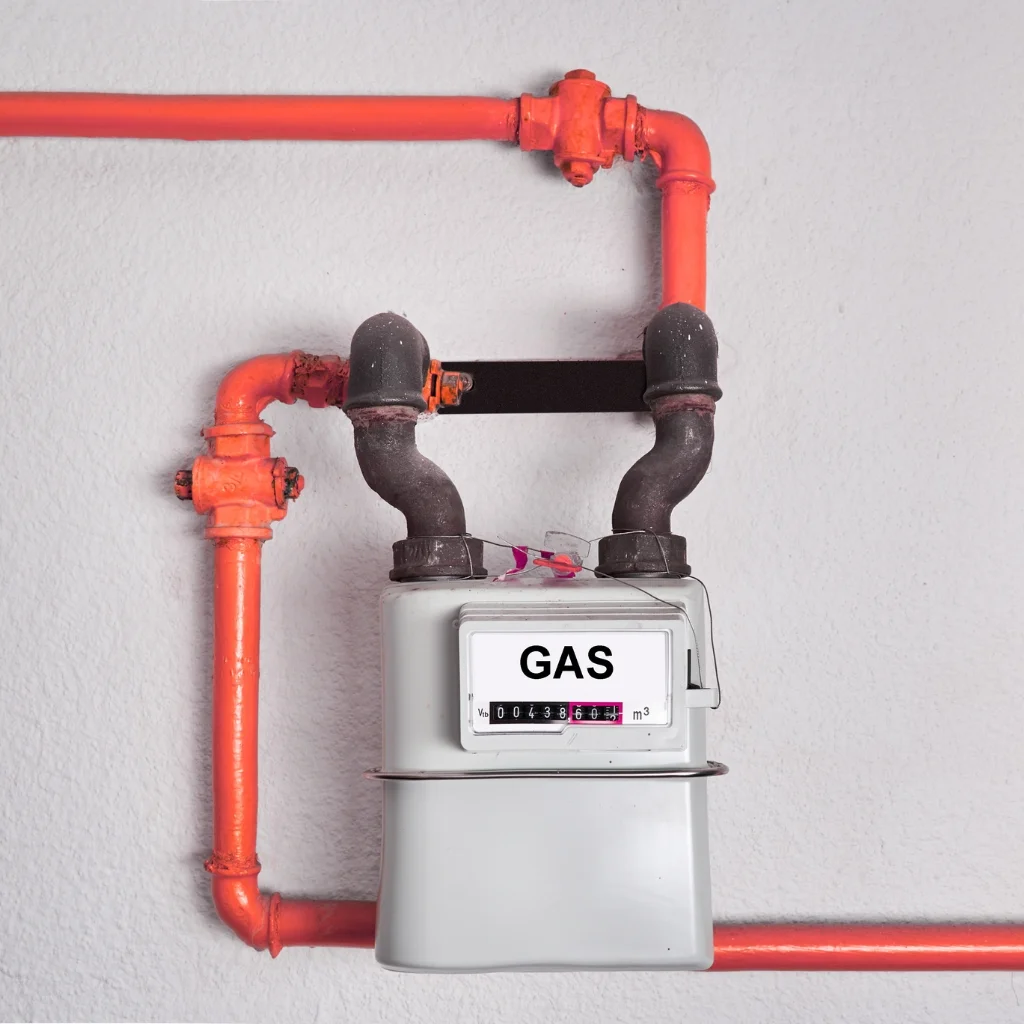
Wholesale gas prices can vary with supply and demand, affecting business rates. Fixed-rate contracts help lock in lower prices for a set period, offering cost stability, while bulk consumption discounts can further reduce expenses for high-usage businesses.
The standing charge is a daily fee for supplying gas, covering infrastructure costs, and applies even if usage is low. Its amount varies by supplier and can impact overall expenses.
Additional charges may apply to your business gas contract. Unless exempt, you must pay the Climate Change Levy (CCL), which is added separately to your bill and may not be included in the quoted unit price. VAT at 20% also applies, though a reduced 5% rate is available for businesses using at least 60% of their gas domestically or consuming under 145 kWh daily (4,397 kWh monthly). For more details, see our full guide on VAT rates for gas and electricity.

Many suppliers automatically place businesses on a deemed rate when they move premises, which is often much higher. To avoid costly tariffs, switch suppliers when relocating to a new office or site.
Switching suppliers can give your business access to green gas tariffs, helping reduce its carbon footprint—a growing priority as customers and partners increasingly value sustainability.
Some gas contracts switch to a variable rate after a set period, which is often more expensive than fixed tariffs. Reviewing your contract and moving to a fixed-rate plan can help stabilise costs.
As your business grows, energy consumption rises with additional staff and larger or multiple locations, making it crucial to find the right gas contract to manage costs effectively.
Beyond cost savings, a reliable supplier with strong customer service is essential. Quick, efficient issue resolution minimizes operational disruptions, protecting both your finances and your reputation with clients.
The main reason to switch business gas suppliers is cost savings. Since businesses consume large amounts of gas and electricity, even small differences in unit prices can lead to substantial long-term savings.
Price stability and predictability over longer periods. Protection from market fluctuations. Ideal for budget planning.
Market-driven prices (can go higher or lower, depending on demand). More flexible contract terms. Short-term savings if market prices are expected to fall.
The default rate if a business hasn’t agreed to a specific contract. Typically far more expensive than negotiated deals. Ensure uninterrupted gas provision but not a good option long-term.
Separate wholesale rates from other charges like distribution, transmission, and environmental levies. More transparency into what you’re paying for. Often preferred by larger businesses.
Some or all of your gas will come from more sustainable sources. Help your business reduce its carbon footprint. Suppliers are offering more competitive pricing as technology advances.
Different rates for different times (off-peak vs peak periods). Potential cost savings through usage shifting. Best for businesses able to adjust their gas consumption patterns.